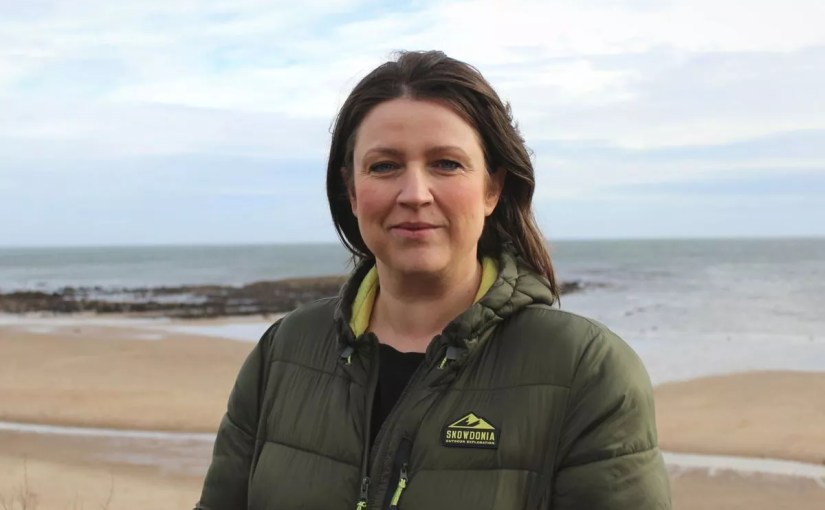
I still can’t believe I am writing this. Since hearing the news of Maria’s death last week, I have been reflecting deeply on her life, her immense and unparalleled impact on our profession, and on our friendship. I am simply heartbroken for her lovely children – she was an incredibly dedicated parent and her untimely loss is an unimaginable tragedy for her family.
As a leading activist in the counselling profession, Maria achieved things that I didn’t think were possible. She gave a voice and courage to working class therapists and aspiring therapists. She taught us that we all have a place here, and that we do not have to accept the deep injustices that run throughout the profession. She taught us that we can make real, tangible change – she was the driving force behind campaigns which have altered the course of membership bodies’ policy decisions and advertising of unpaid work. She was the creator of Counsellors Together UK the largest activism group in the UK therapy world, and the founder of National Counsellors Day – a simply huge annual event for counsellors across the country. And she never stopped. She was always planning the next thing. She developed CPD, coaching, reflective spaces, developed funding for retreats for therapists on low incomes, and constantly, constantly, had her eye on professional politics. She had the ability to hold so much information in her head, and make connections that anybody else would miss. She would send me obscure documents with triumphant voice notes explaining how this document proved we were moving in the right direction. Her tenacity was surpassed only by her ingenuity and compassion. She was the perfect ally and the perfect friend.
Our backgrounds were similar in some ways. We’d share stories about growing up on northern, working class estates in the 80s and 90s. We shared a lot of values, especially when it came to the fight for marginalised people (and telling Tories to fuck off, of course). We laughed a lot. A lot, a lot. It is hard for me to imagine ever having as much fun in the therapy activism world without her to share the laugh with.
Back when I started talking about Harm in Therapy, CTUK was the only organisation who would platform me. My invite to National Counsellors’ Day was the first time anyone had been willing to put the topic front and centre of a therapy conference. Now, the conversation is growing exponentially. Most of the time, Maria is not credited for that, but she should be. Maria, like so often she did, went where others were unwilling to go. She was fearless.
She knew everything. About professional politics, the MBs, the activism world, all aspects of the profession. She was told things. And why? Because she was so immensely likeable. Everybody who actually knew her, liked her a lot. Her detractors never knew her, they distanced themselves from her because they feared her. And they feared her because her fight for the little guy did not align with the normative agendas that protect status and ringfence power for the elite. She dismantled those barriers because she knew they were phony. And she proved that they were. We mustn’t forget that lesson in her absence.
Her impact on this profession is immense and permanent. She has changed us. Not only those of us that knew her, but the profession as a whole, it is permanently altered by her contribution. Every social justice conference, every policy change, every conversation about poverty, unpaid work, wages and inequity had their way paved by the work of Maria Albertsen. Her legacy will impact future therapists who haven’t even thought of training yet. And clients who haven’t even thought of accessing therapy yet.
Earlier this year, Maria told me that her job was to get people talking. She said that she felt her role was to make space for these conversations about injustice and inequity to happen (because it is harder to ignore an issue that is conscious to us). She said to me: “In 2017, hardly anyone talked about unpaid work or the issues around it. And now it’s talked about all day, every day. Imagine if we can do the same about poor clients/poverty”. She wanted us to talk and keep talking. Not to let injustice be brushed under the carpet. She wanted us to make sure that membership bodies could not shy away from the inequity in access to therapy, or the impact of national politics on the wellbeing of clients. She spoke with courage about her own experiences with the DWP, and called for change. It is for us now to talk. It is for us to have conversations, with each other, with our membership bodies, with our supervisors, with politicians, and with the world. Maria wanted us to keep talking and we will.
Her influence will be with me throughout my career and my life. I shall never forget her, or her passion for change. Our profession must always carry her passion with us. Now and forever.
 A Client First